Where the HOW and the WHY come together
VERTICAL COMPREHENSIVENESS
The Vertical Comprehensiveness Model centers each decision on a clear, guiding purpose. It emphasizes consistency with core values and prioritizes thoughtful, durable work over short-term gains. The model frames progress as a values-driven journey—intentional, steady, and focused on long-term impact—ensuring actions align with mission and contribute to sustainable community revitalization.
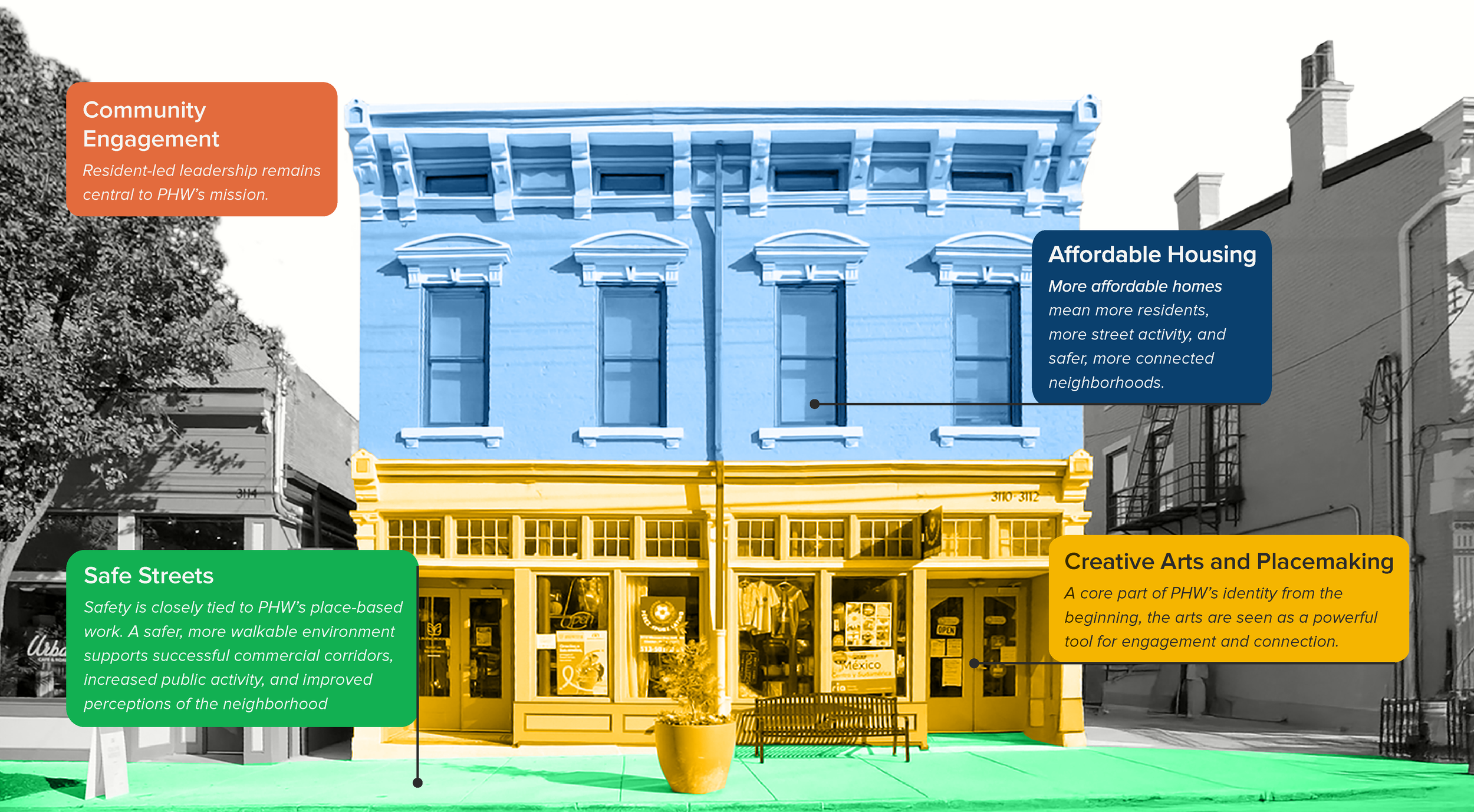
PHW works across coordinated layers so physical projects, programs, and civic power reinforce one another. The vertical model makes deliberate connections between long-term investment and everyday supports so change is durable and resident-led.
Addressing a range of interconnected issues within a focused geographic area means taking a holistic, place-based approach to revitalization. By concentrating efforts on a corridor, block, or development site, we can coordinate investments in housing, commercial activity, public space, mobility, and cultural assets so improvements reinforce one another. This targeted strategy allows for measurable outcomes, faster visible change, and stronger resident and business engagement, creating durable momentum that spreads outward into surrounding neighborhoods.
Lower Price Hill
State Avenue Resurgence
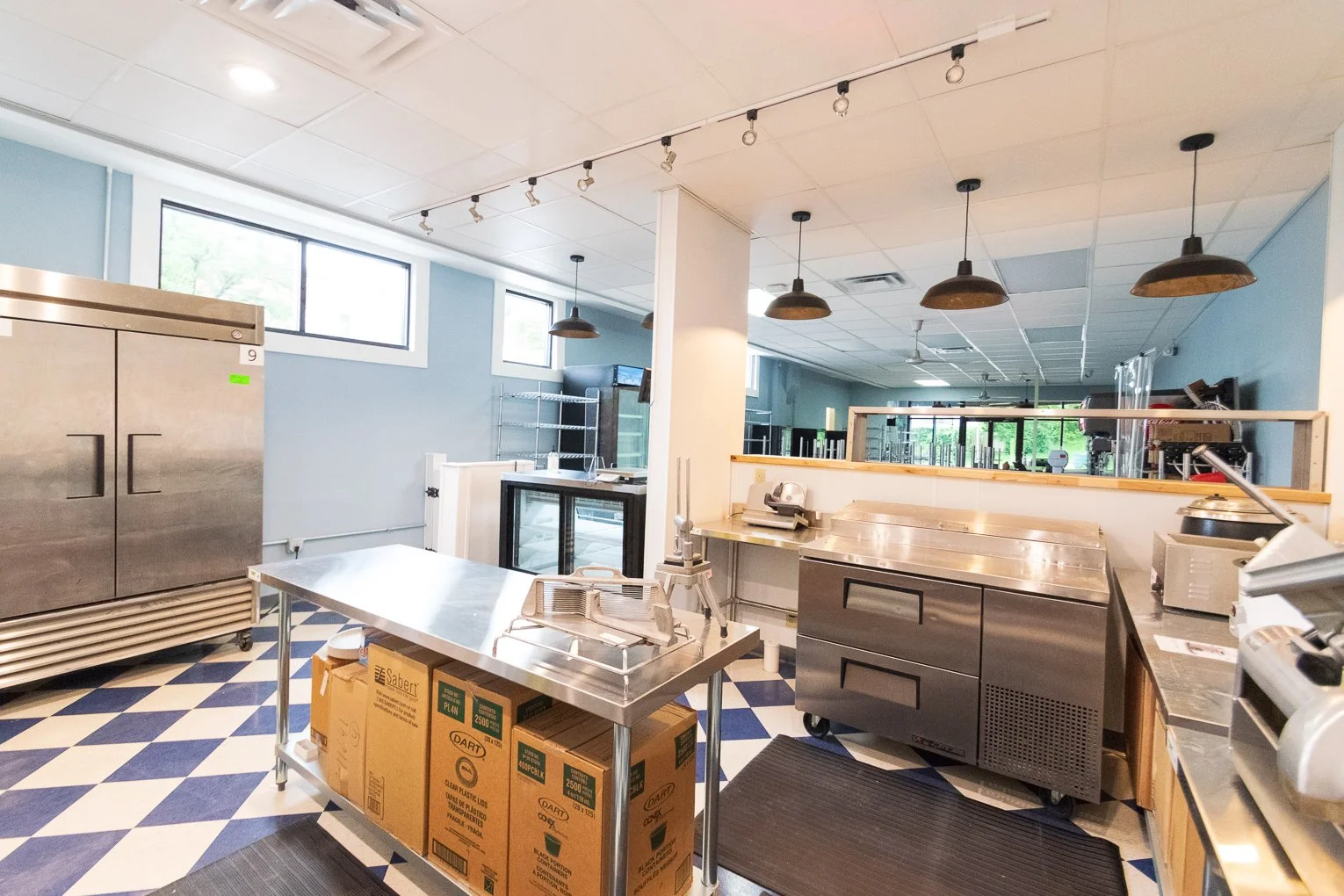
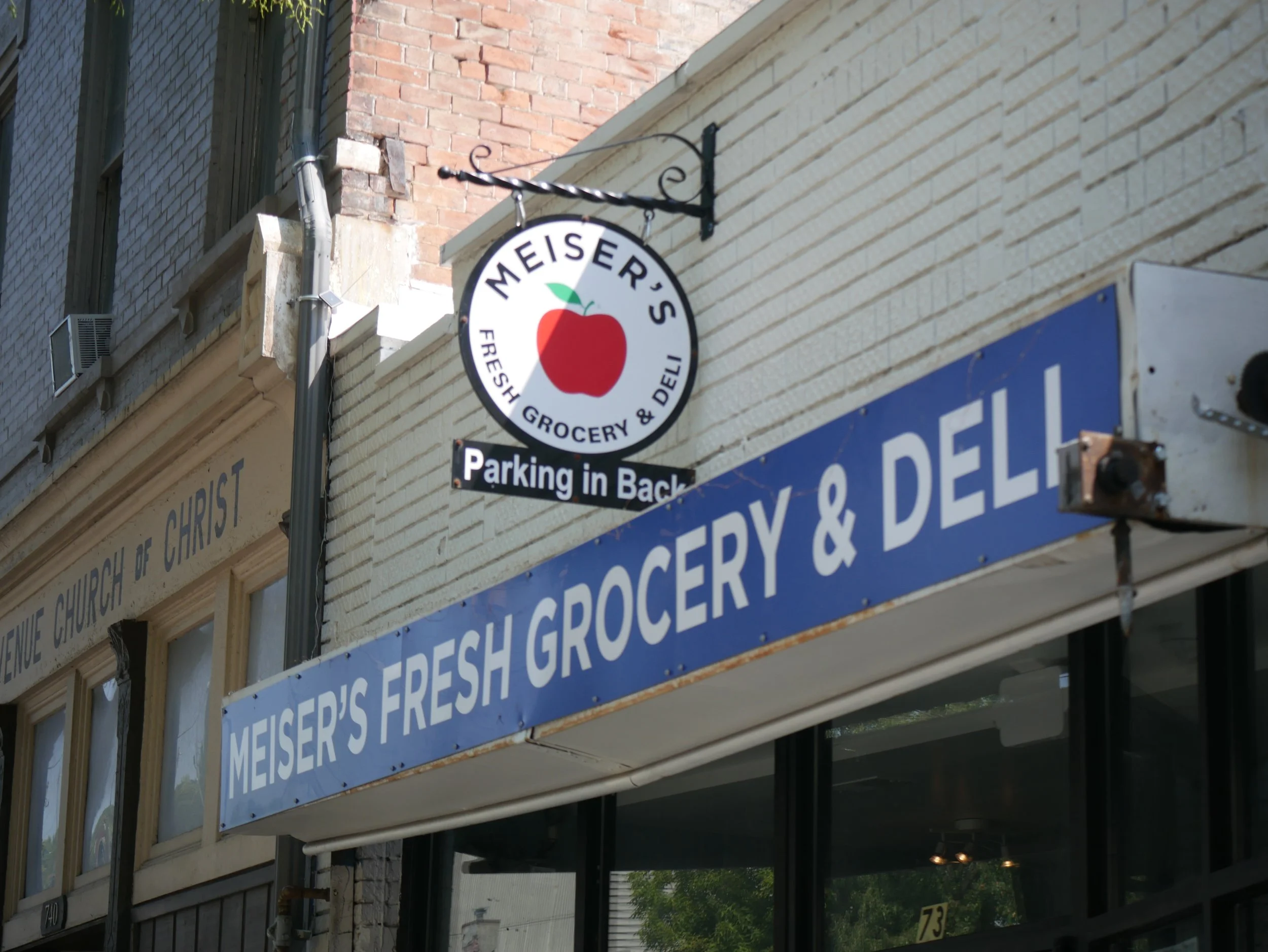
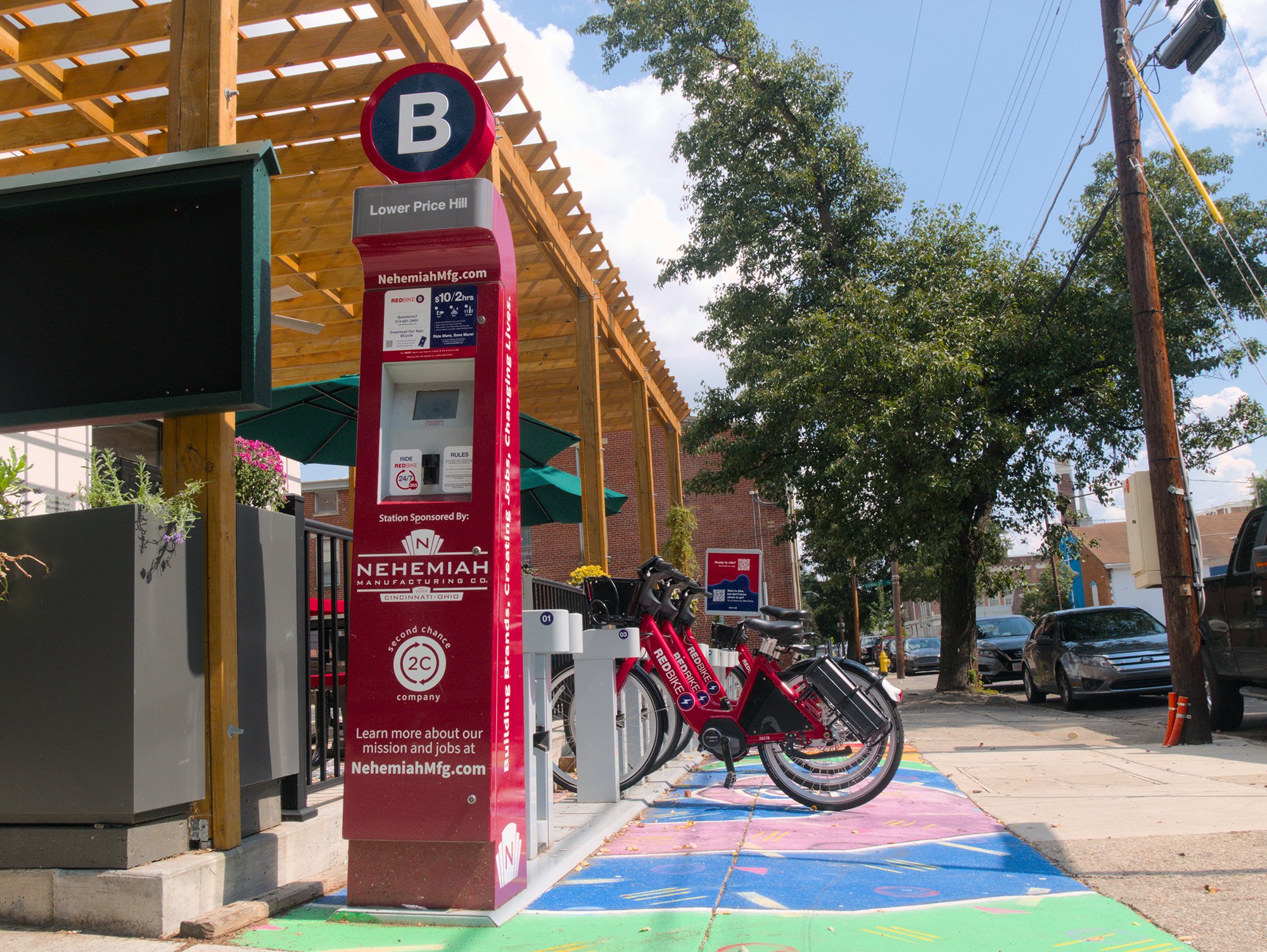
Lower Price Hill’s State Avenue corridor is the neighborhood’s commercial backbone, and recent Resurgency Plan work shows how targeted investments can re-energize local commerce. PHW’s role is to steward commercial renewal and support small businesses while coordinating with LPH’s resident groups and local anchors to ensure gains are broadly shared. Success here stabilizes ground-floor retail and connects residents to jobs, services, and transit.
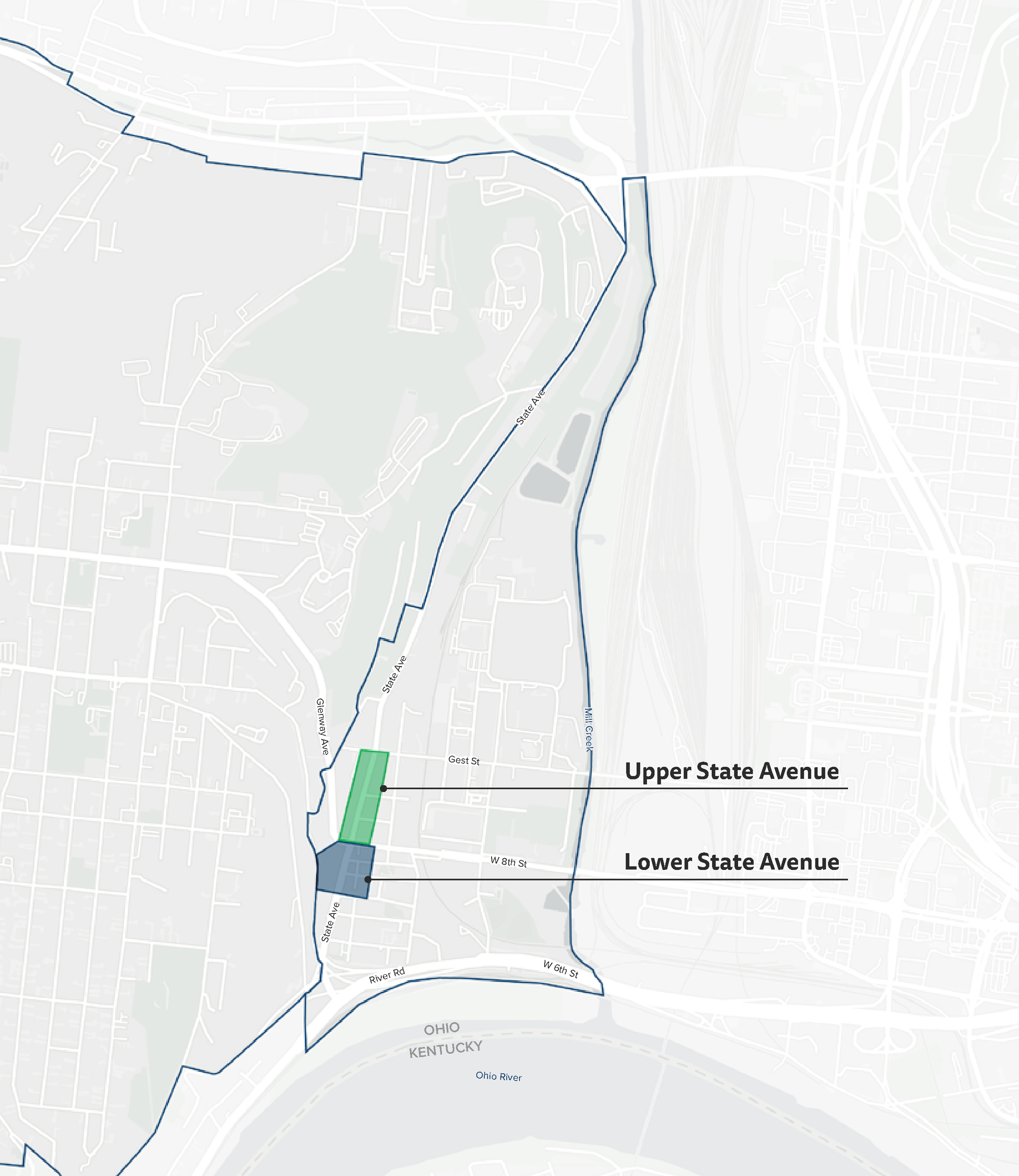
Lower State Avenue — the Anchor commercial corridor and PHW’s LPH focus.
Upper State Avenue — Emerging natural growth area with opportunity for small-scale retail and housing.
East Price Hill
Cultural and Development Hub
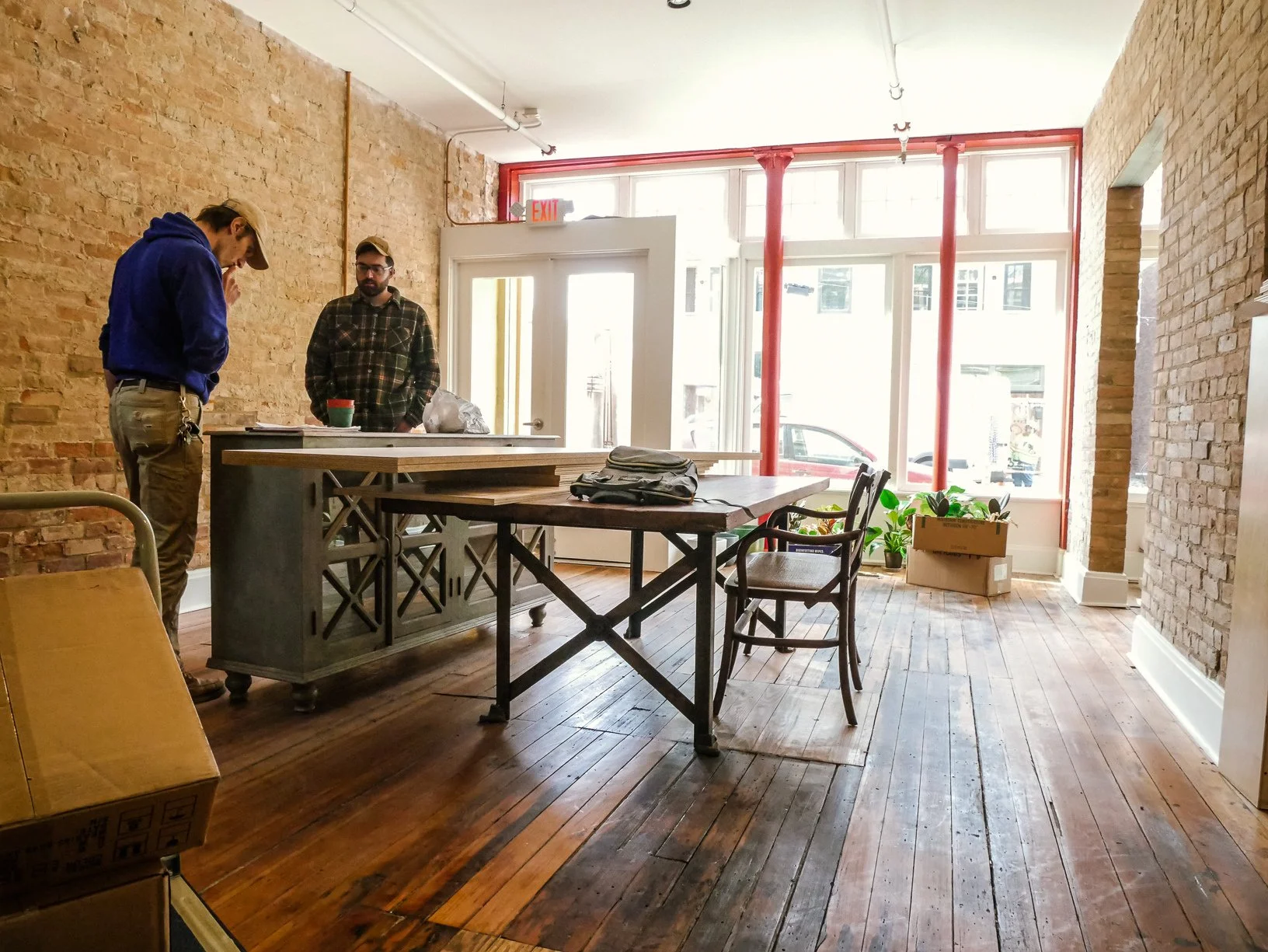
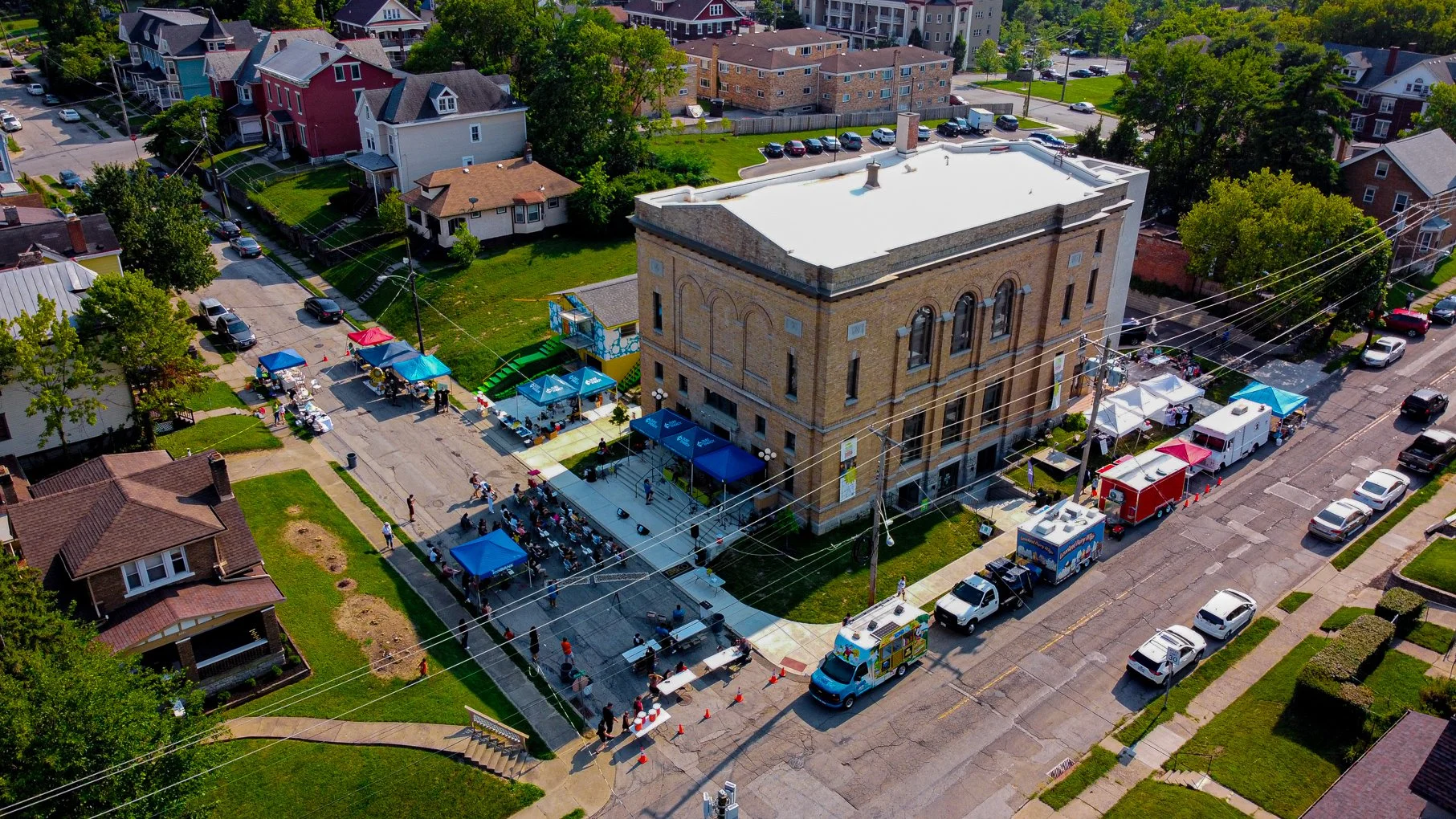
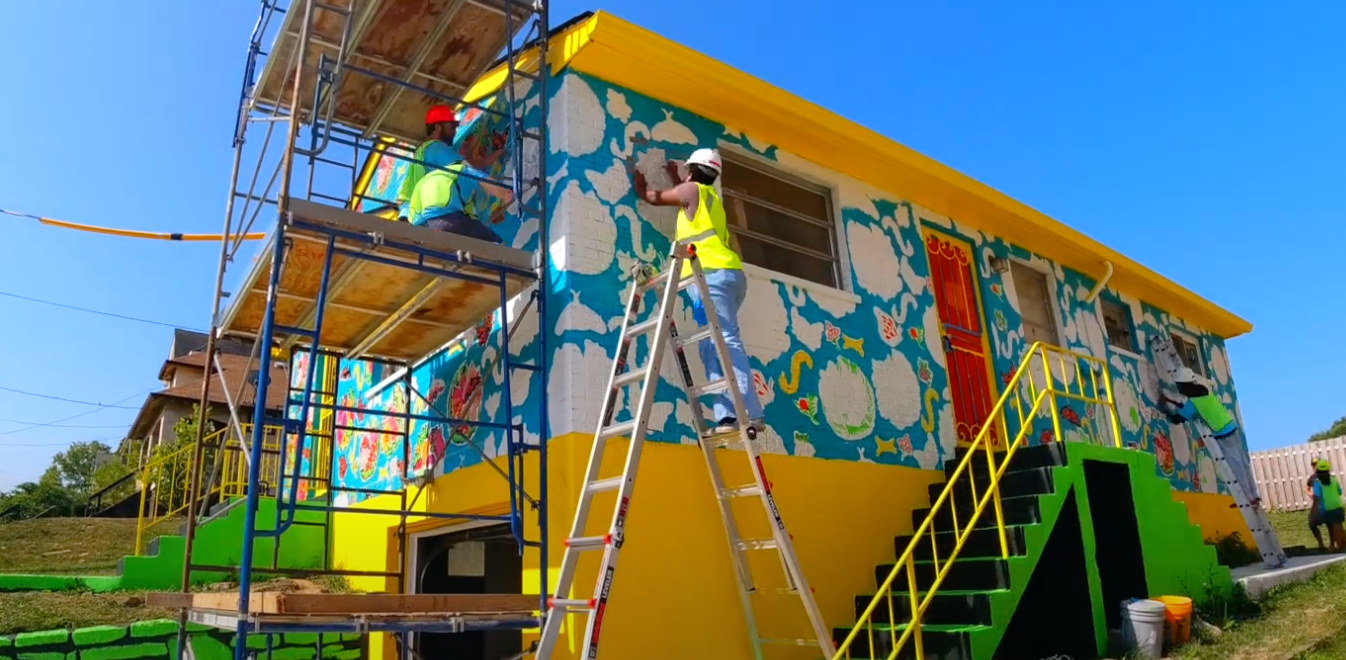
East Price Hill is anchored by the Warsaw Avenue Creative Campus (WACC) and ARCO, which combine arts, housing, and storefronts to create a neighborhood hub. Around WACC, several development opportunities including Kroger-area parcels, St. Lawrence Square, and the IDEA campus offer a chance to sequence development so culture, housing, and commerce advance together. PHW’s focus is coordination — ensuring institutions, programming, and real estate investments align with resident access and benefit.
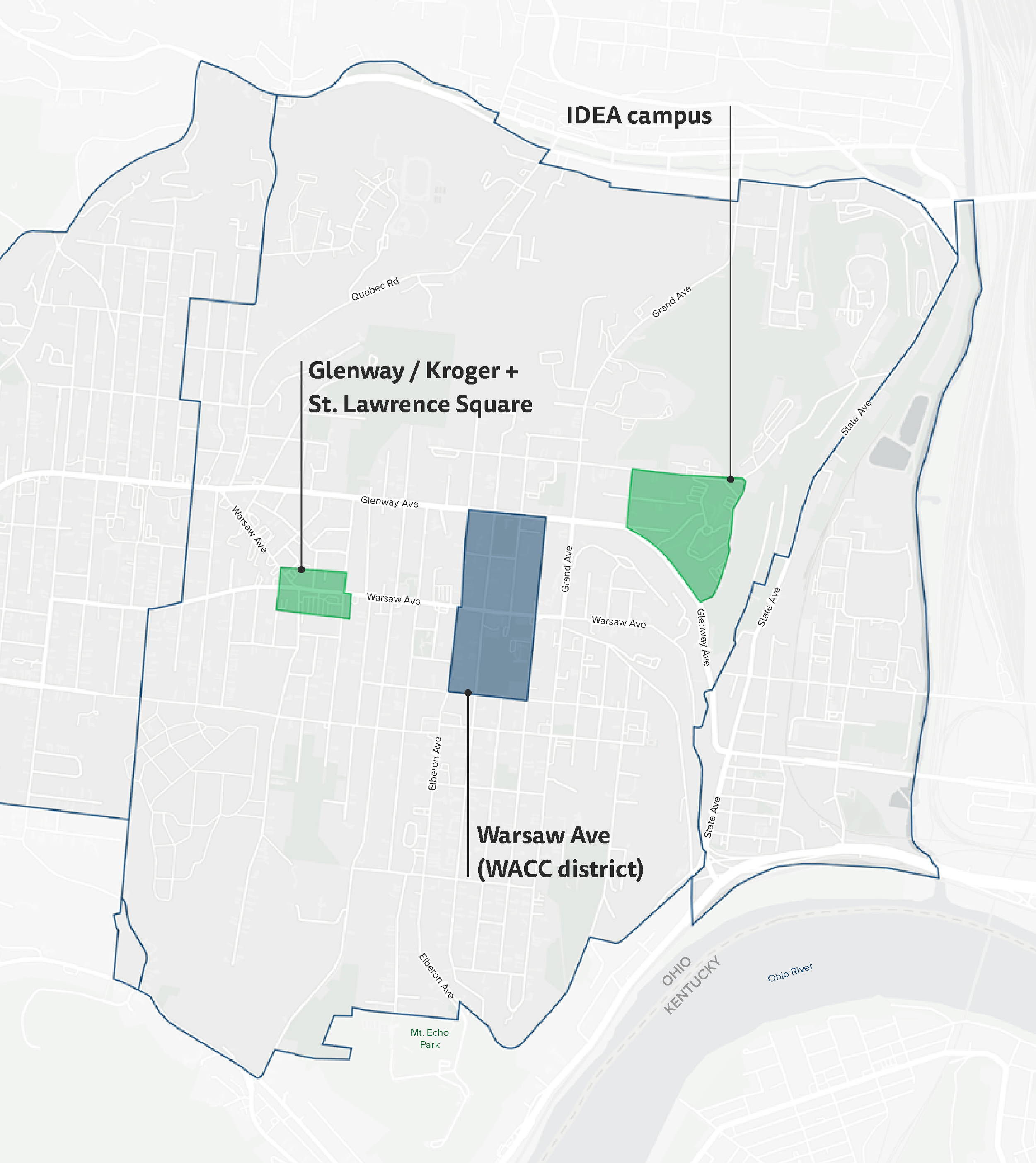
Glenway / Kroger + St. Lawrence Square — Developmental pockets with institutional interest and multiple holdings.
IDEA campus — Emerging parcel cluster with large undeveloped lots.
Warsaw Ave (WACC district) — Anchor corridor centered on WACC and cultural assets.
West Price Hill
Merchants, Parks, and Momentum
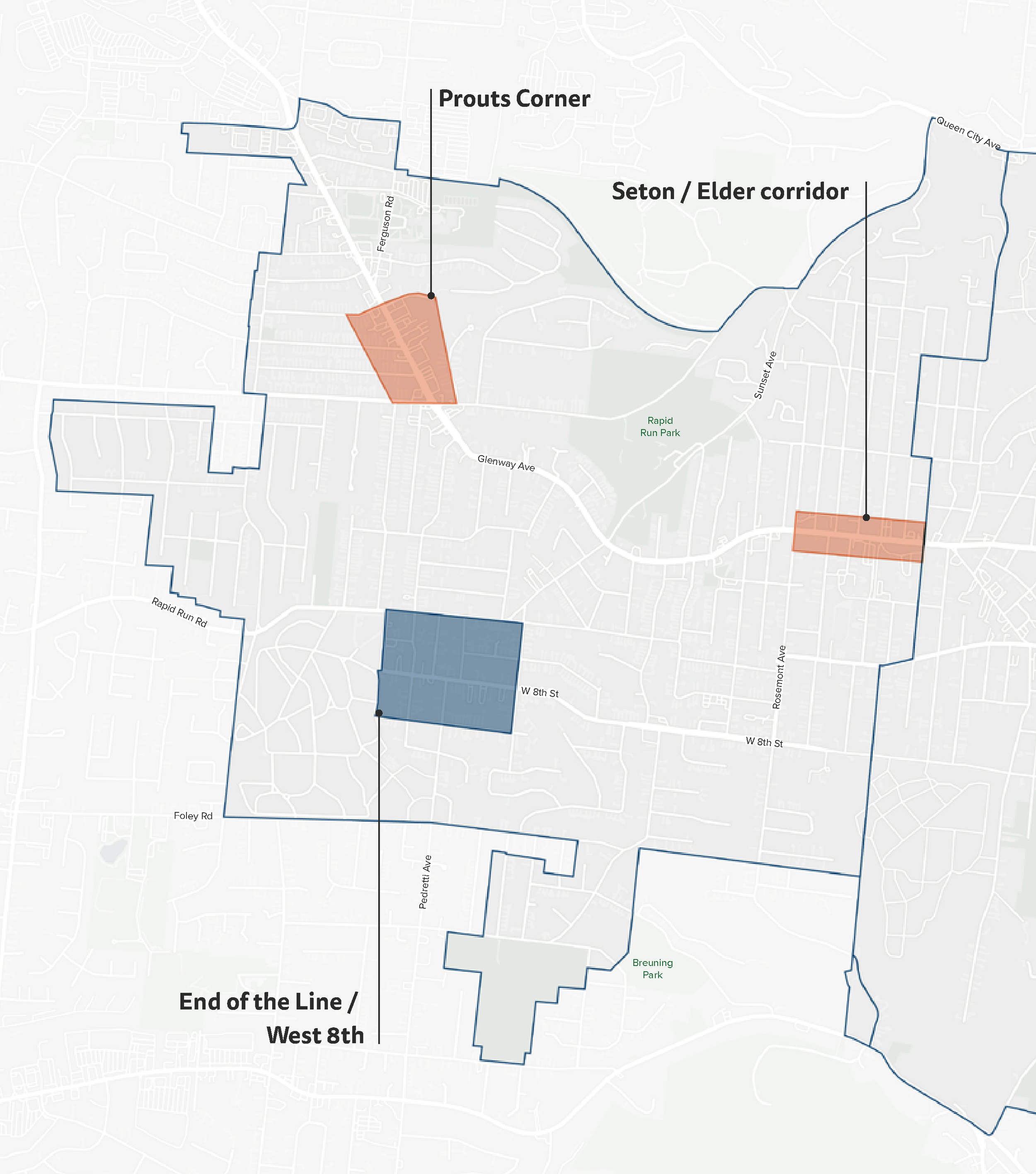
West Price Hill is a largely residential neighborhood historically anchored by commercial clusters along Glenway Avenue and a set of civic and faith-based institutions that sustain daily life. Recent organizing among merchants along West 8th and the development of End of the Line Park create a strong platform for place activation and long-term corridor work. PHW’s role is to connect merchant capacity, park delivery, and targeted property stewardship so public space and commerce flourish together.
End of the Line / West 8th — primary Anchor corridor; merchant energy + park work.
Seton / Elder corridor — Developmental, anchored by large institutions and transit/education anchors.
Prouts Corner — Developmental node along Glenway with civic institutions and parking assets.